

Oosterweel: the invisible interplay behind tunnel safety
27 August 2026Oosterweel: the invisible interplay behind tunnel safety
27 August 2026
From separate systems to a single integrated whole
In the Oosterweel tunnels, 70 different traffic and tunnel technology systems will soon come together. But 70 tunnel technologies do not automatically make a safe tunnel. Each system has its own function, components, controls and data. Only when all these systems communicate correctly with one another does what truly matters emerge: one integrated safety system. And that is Equans’ responsibility within TM Ocotech.
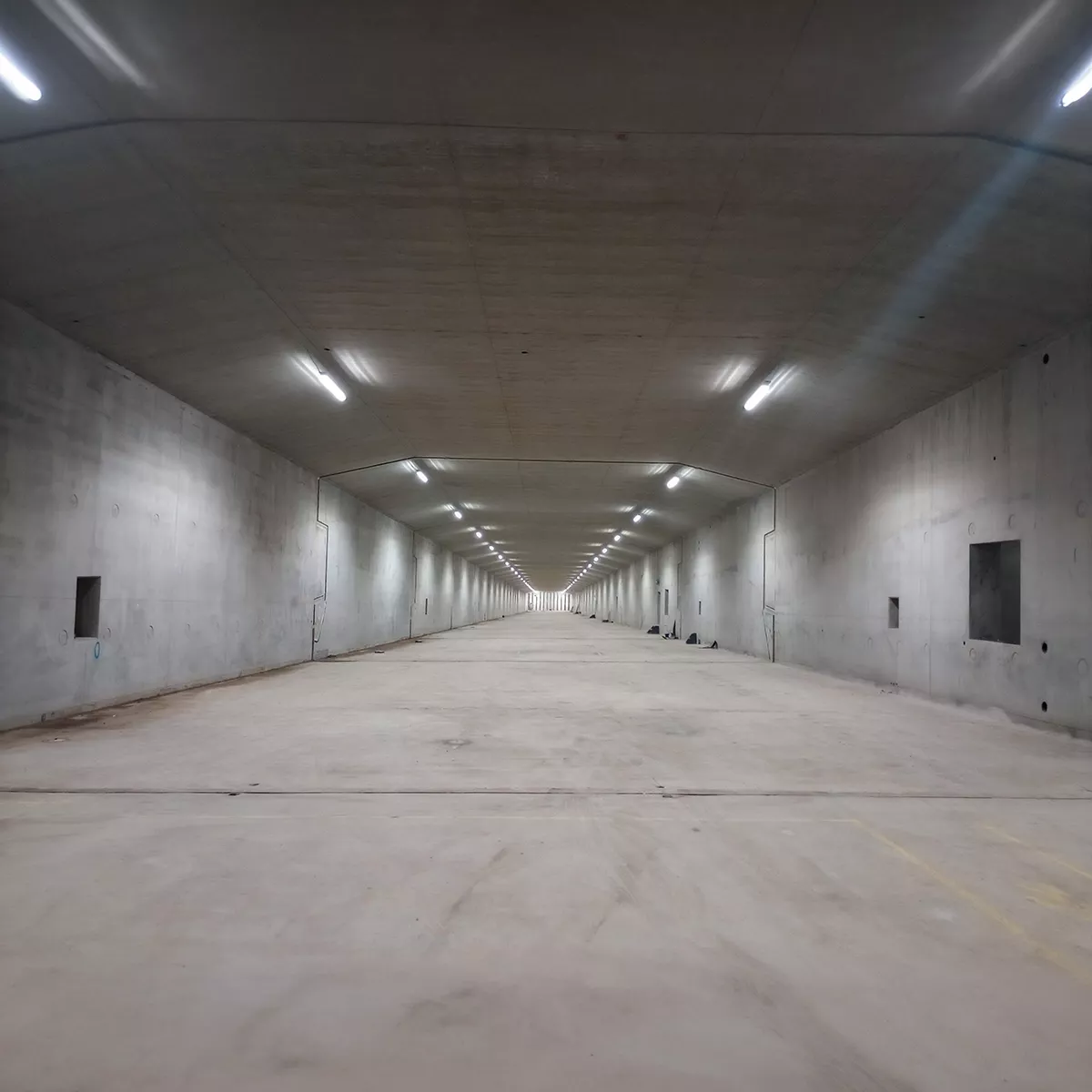
The temporary consortium TM Ocotech, made up of Equans, BESIX Unitec, Jacops and NV Deckx Elektromechanica, is not simply installing technologies side by side. We ensure that lighting, ventilation, detection, fire suppression systems, signage, cameras, sensors, cables, electrical power supplies, PLCs, SCADA systems and interfaces with the tunnel operator are technically and functionally aligned. Every component must know when to send a signal, which information to transmit, which action should follow and how that action interacts with the other systems in the tunnel.
© Lantis
The brain and nerves of the tunnel
It can be compared to the human body. The central tunnel control system acts as the brain. It processes signals, interprets what is happening and triggers the right actions. In practice, this is an interplay of PLCs, SCADA, software logic, scenarios and interfaces with the tunnel operator.
The cameras, sensors, cables and loops in the tunnel are the nerves. They measure, detect and transmit information about traffic, smoke, temperature, air quality, incidents, faults or technical deviations. These signals are connected to digital inputs and outputs, remote I/O stations, local networks and central systems. From there, they are processed into actions that are carried out automatically by the tunnel control system, or that support the tunnel operator in decision-making.
What happens in the event of an incident?
When everything is running normally, these systems operate largely out of sight. But in the event of an incident, they must respond immediately, correctly and in the right sequence. Imagine a fire breaks out in a tunnel. Sensors register a rise in temperature, smoke and gases. The tunnel control system processes that input and activates the correct safety scenario. Ventilation, emergency lighting, evacuation route signage, fire suppression systems, public address systems and traffic signage are controlled according to predefined logic.
The tunnel operator receives the right information at the right time. Road users present in the tunnel receive clear instructions. Emergency services can act faster and in a more targeted way. The impact of the incident is limited.
© Lantis
Integration is crucial
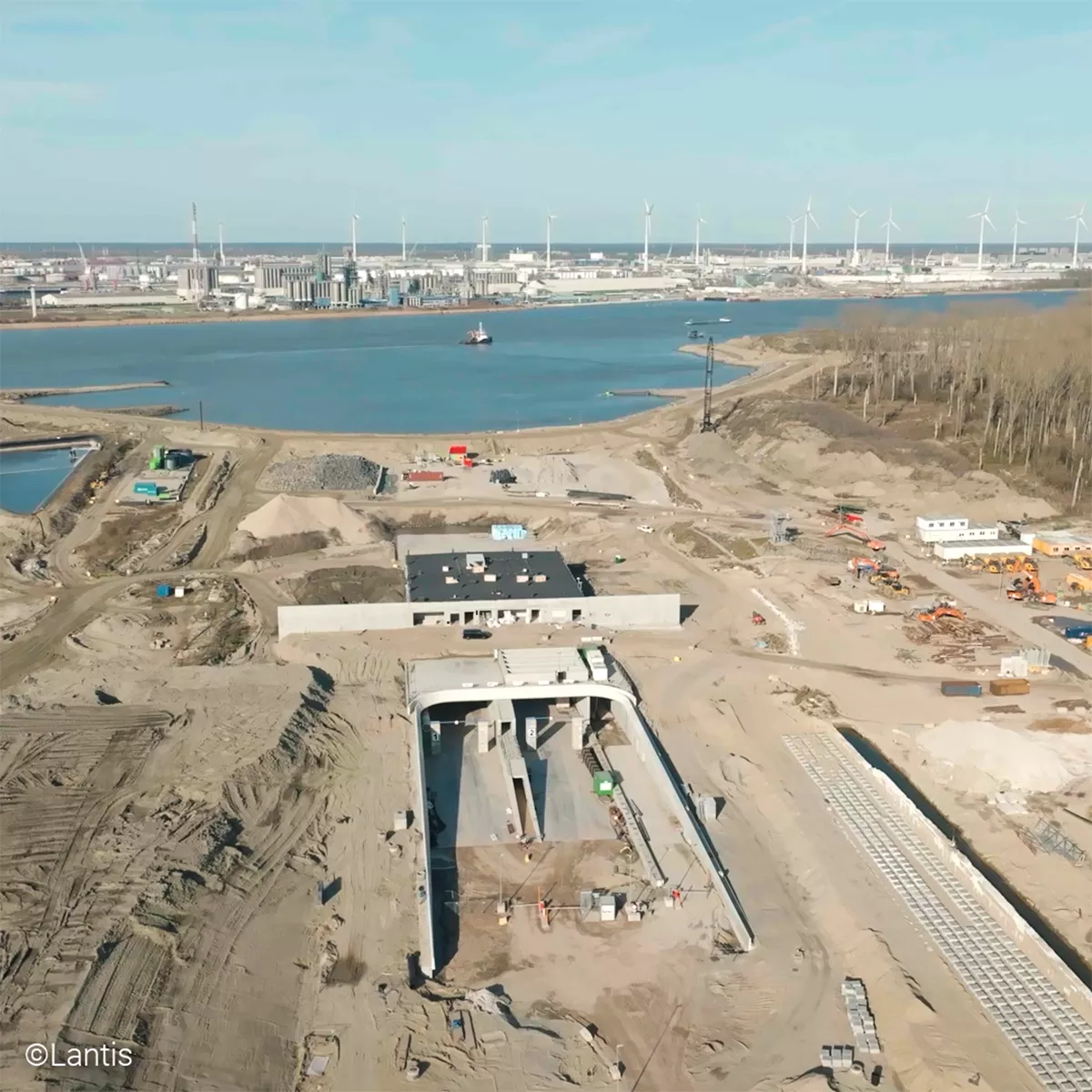
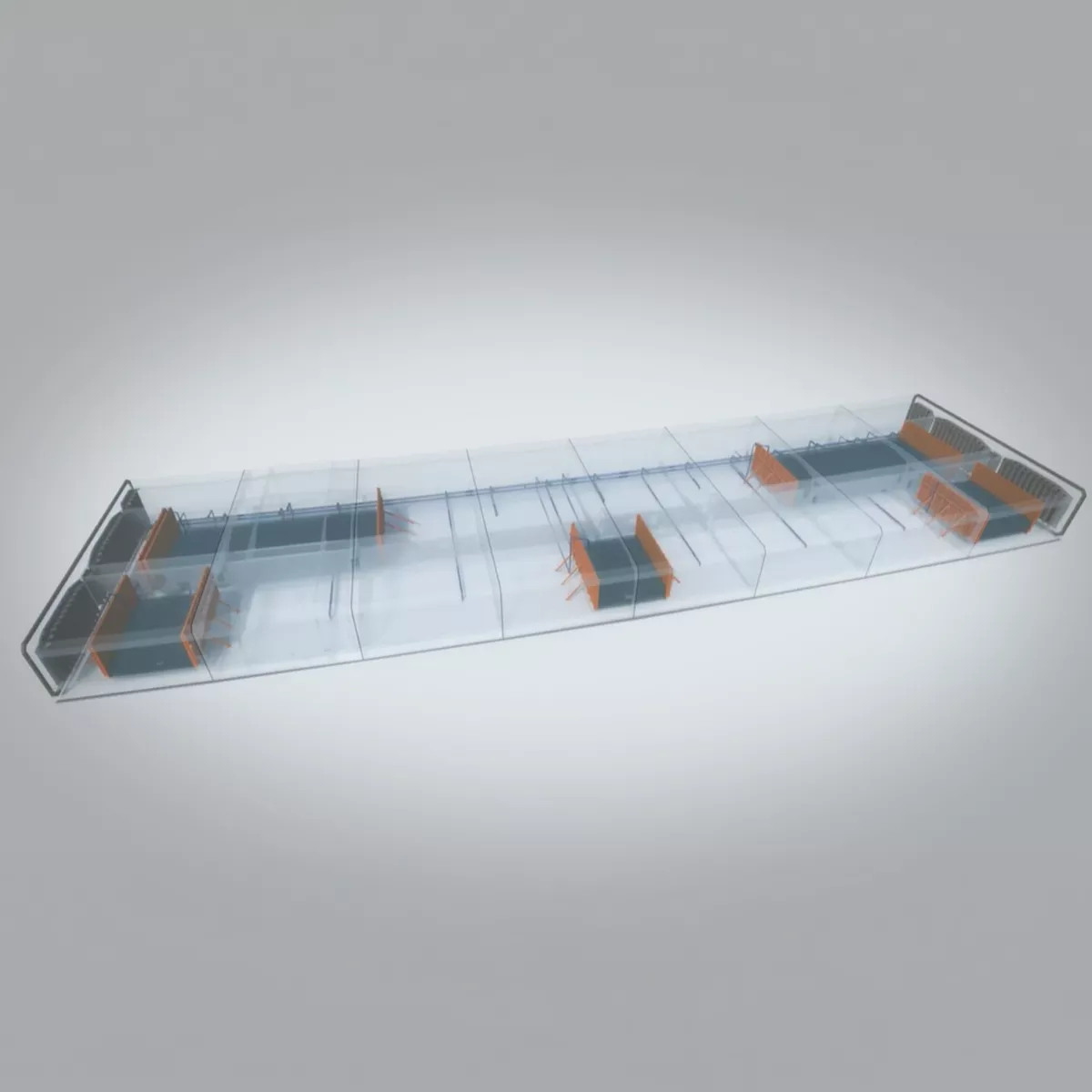
Tunnel safety does not depend on a single technology. Not on one camera. Not on one fan. Not on one fire suppression system. Tunnel safety is created through cohesion. That is why integration is so crucial. At TM Ocotech, we are building a system in which all components are technically, functionally and operationally connected. We do this across the entire tunnel network of the Oosterweel Link: seven road tunnels, one bicycle tunnel, eight service buildings and outdoor areas. This scale makes the assignment exceptional. The challenge lies not only in the number of installations, but above all in their integrality: one coherent system architecture that enables all technologies to function across several tunnels.
This means defining interfaces, aligning signal exchange, managing component data, developing scenarios, testing software logic and demonstrating that every installation does exactly what it is supposed to do, individually and in combination with the other systems.
© Lantis
From technology to reliable behaviour
Tunnel technology only delivers value when it behaves in the right way in the right situation. That is why we also look at possible scenarios. What happens in the event of congestion? What happens when smoke is detected? What happens when a vehicle comes to a standstill? What happens in the event of a fire? What does the operator see? Which systems are activated automatically? Which information is communicated to road users? Which installations must continue to operate during a power outage? This logic must be designed, aligned, tested and validated in advance.
Testing therefore takes place in successive stages. First in a test environment: a simulated tunnel environment with simulated conditions. Then at component and subsystem level, followed by testing in the tunnel environment and finally at system integration level. This allows us to verify not only whether an installation works technically, but also whether connected systems and interfaces interact correctly. Because a fan that works is one thing. A ventilation system that, in combination with detection, fire scenarios, signage and interfaces with the tunnel operator, does exactly what is needed is something else entirely.
More than installing tunnel technologies
The true scope of TM Ocotech’s assignment goes far beyond the conventional installation of tunnel technologies. We integrate. We align. We test. We safeguard. We ensure that dozens of systems do not operate alongside one another, but function as one integrated whole. And that is essential for the operation and availability of the tunnels once they are in use.
© Lantis