

CLIMATE ADAPTATION FOR BUILDINGS
Make your building resilient to climate challengesCLIMATE ADAPTATION FOR BUILDINGS
Make your building resilient to climate challenges
Why is climate adaptation important for your building?
The effects of climate change are already putting buildings and their technical installations under pressure. Heatwaves, flooding and extreme weather events can affect occupant comfort, system performance and business continuity. For hospitals, healthcare facilities, offices, schools and public buildings, it is essential to anticipate these risks in order to ensure reliable and sustainable services.
Climate adaptation starts with understanding how climate risks affect your buildings
Climate adaptation for buildings means anticipating the impacts of climate change in order to protect occupants, maintain critical functions and preserve infrastructure performance. Thanks to its expertise in HVAC, energy, electrical infrastructure, digital solutions and maintenance, Equans identifies vulnerabilities within your building and implements practical solutions to strengthen its resilience. Our approach helps you maintain user comfort, protect your assets and ensure long-term business continuity.
For who?
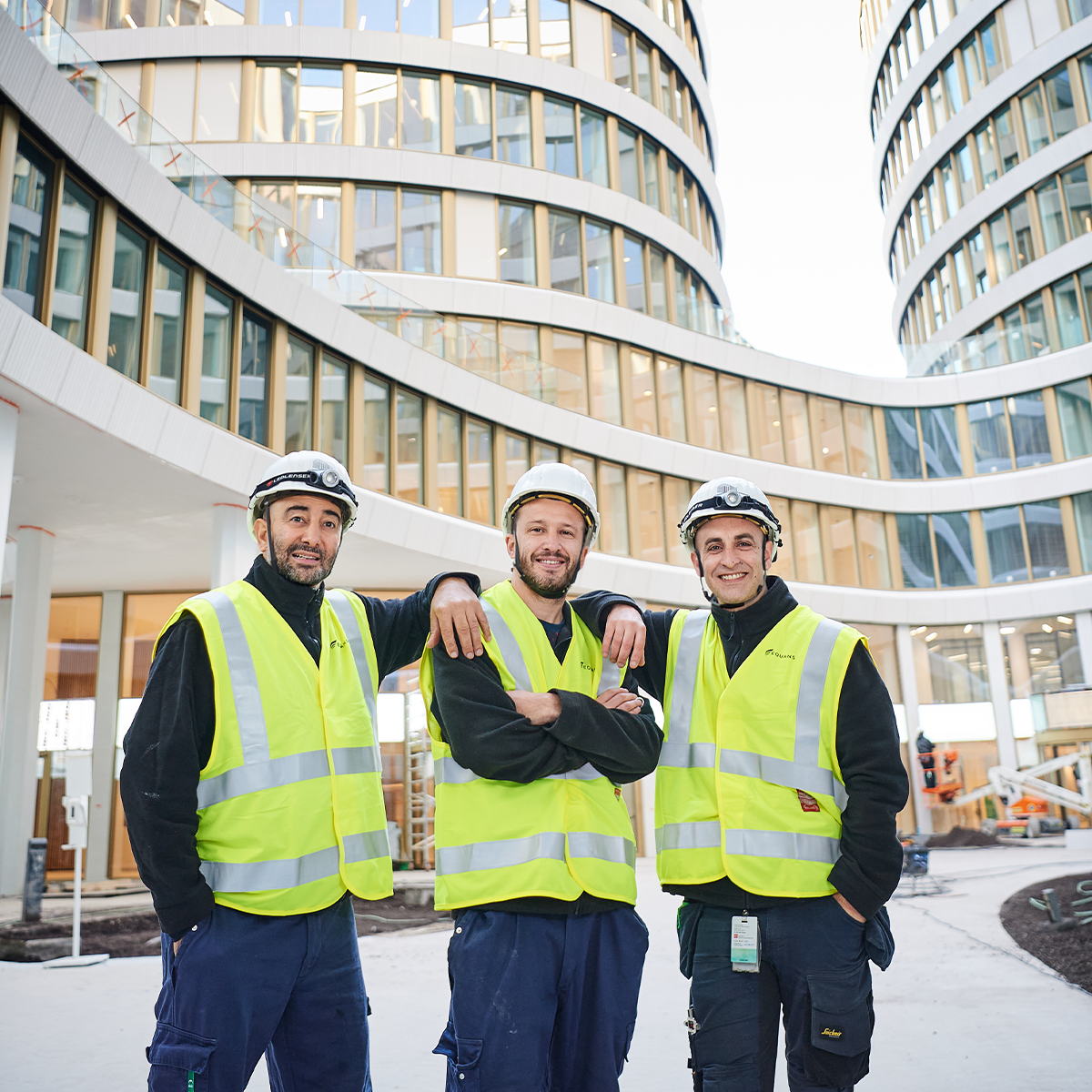
For organisations that want to anticipate climate risks. We support building owners and facility managers who want to strengthen resilience while protecting occupants, maintaining comfort and ensuring operational continuity.
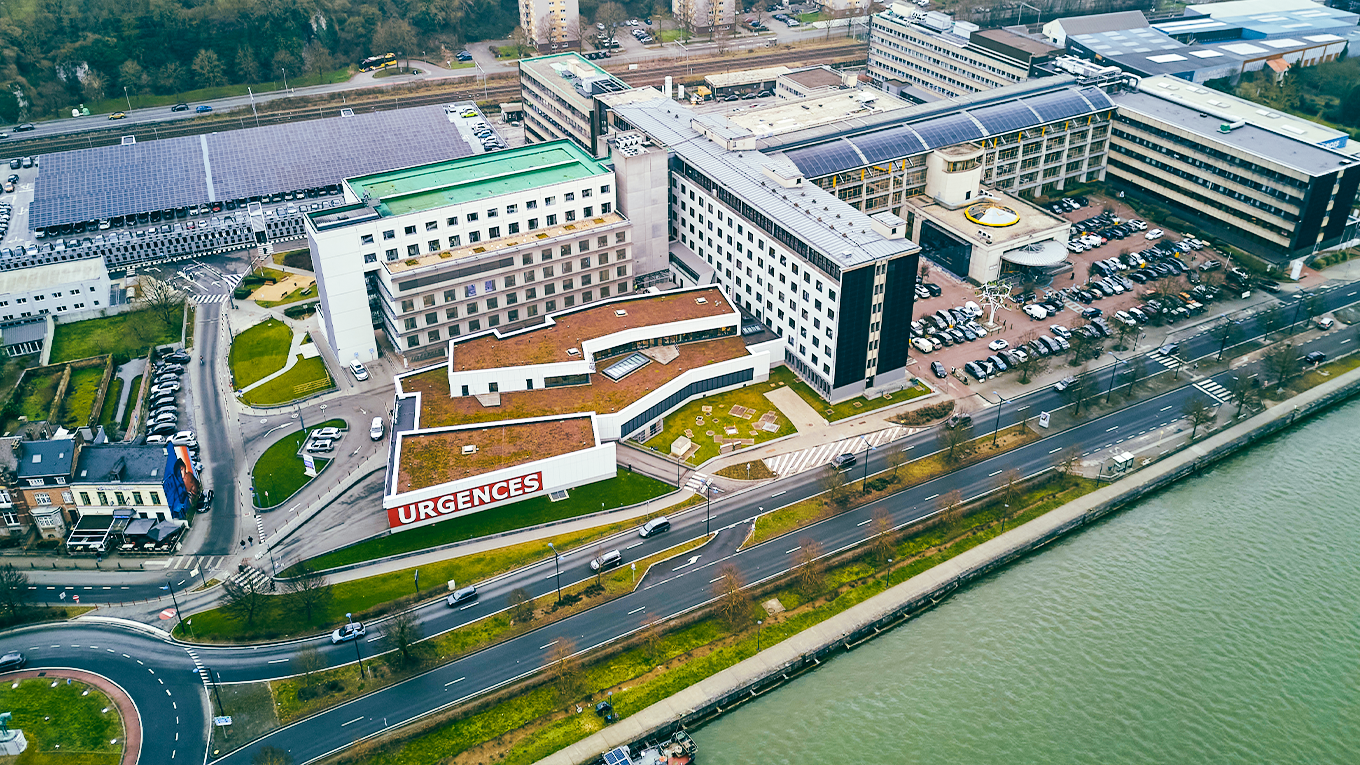
Hospitals and healthcare facilities where service continuity is absolutely essential
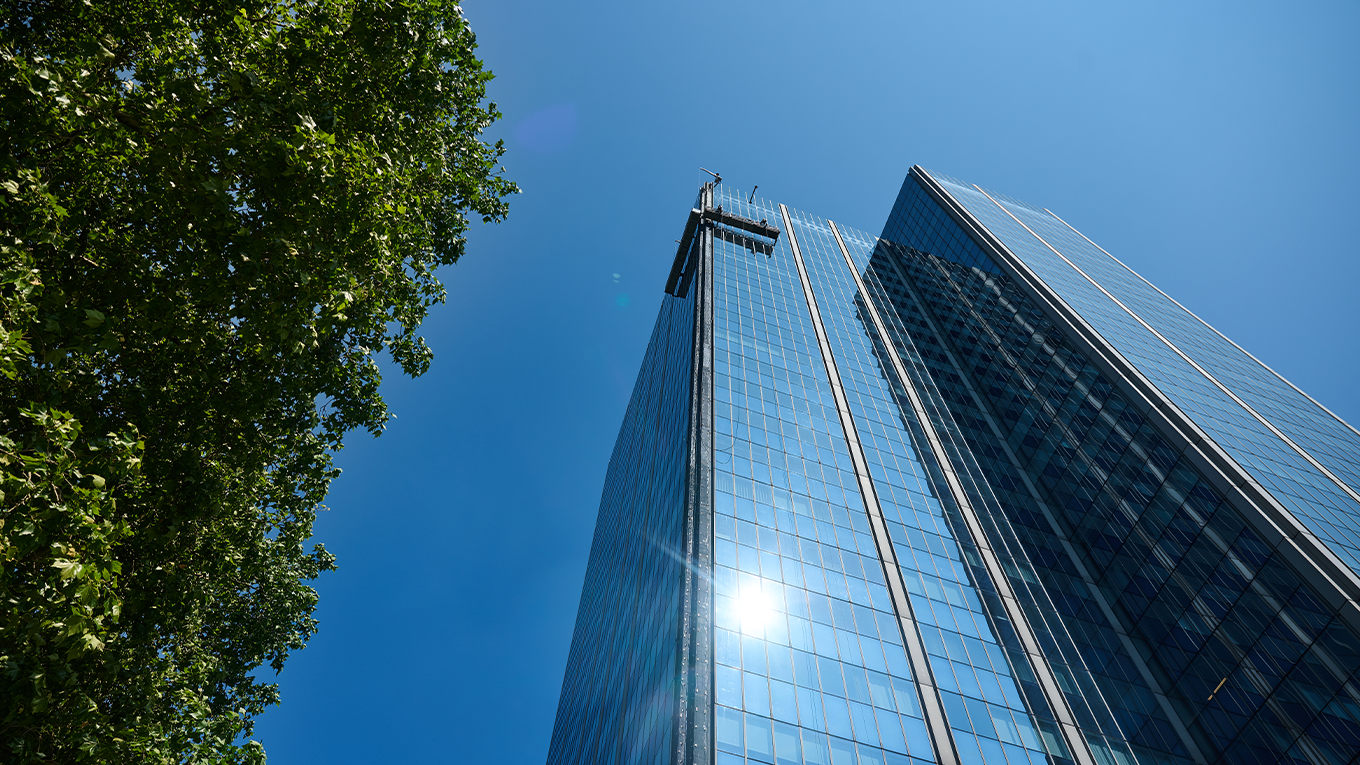
Offices, schools and public buildings challenged by heatwaves and climate-related risks
Property managers and Facility Managers looking to protect their assets over the long term
A 4-step approach
Together, we can identify priority risks, implement practical short-term measures and define the investments required to make your buildings more resilient in the years ahead.

- Identify your vulnerabilities (UNDERSTAND)
We analyse climate risks, technical vulnerabilities and critical points within your building. - Prepare your building for disruptions (ACT)
We define measures to limit the impact of climate events and maintain essential functions. - Strengthen your infrastructure for the long term (ACCELERATE)
We integrate sustainable technical solutions tailored to your infrastructure and objectives. - Monitor and anticipate (CONTINUOUS IMPROVEMENT)
We monitor performance through data and smart technologies to identify risks before they become incidents.
Solutions tailored to your infrastructure
Identify your risks, protect your infrastructure and ensure business continuity with solutions tailored to your building.
case Study
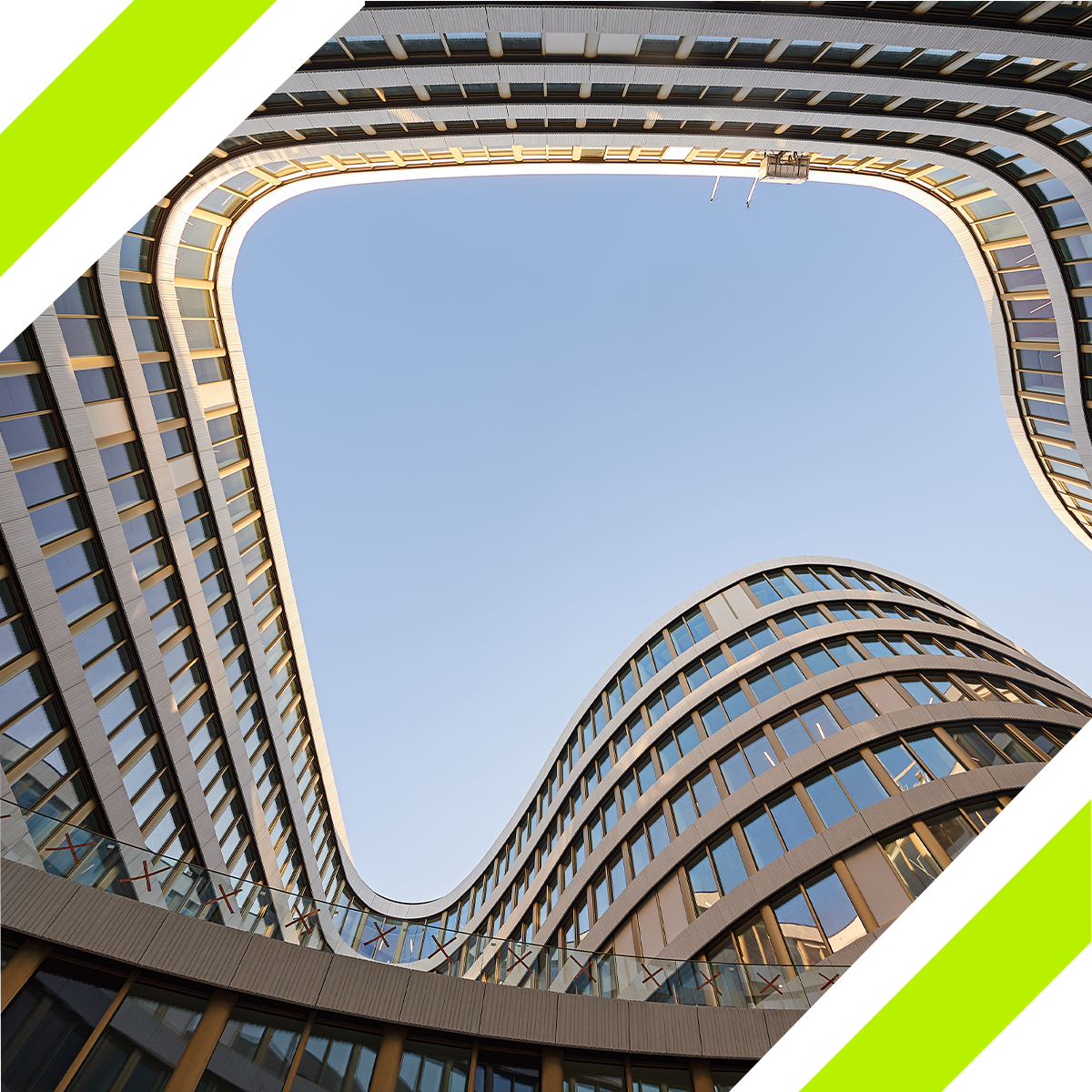
BNP Paribas Fortis
BNP Paribas Fortis' headquarters were designed as a fully integrated energy system to maximise performance and efficiency.
By combining local energy generation, innovative thermal solutions and intelligent control systems, the building optimises every energy resource while reducing its carbon footprint and operating costs.
- Nearly 85% reduction in energy consumption
- 13,000 m³ thermal storage capacity for heating and cooling
- Intelligent control through a BMS integrating 12,000 data points
- Comprehensive technical installations with integrated maintenance
Download the brochure
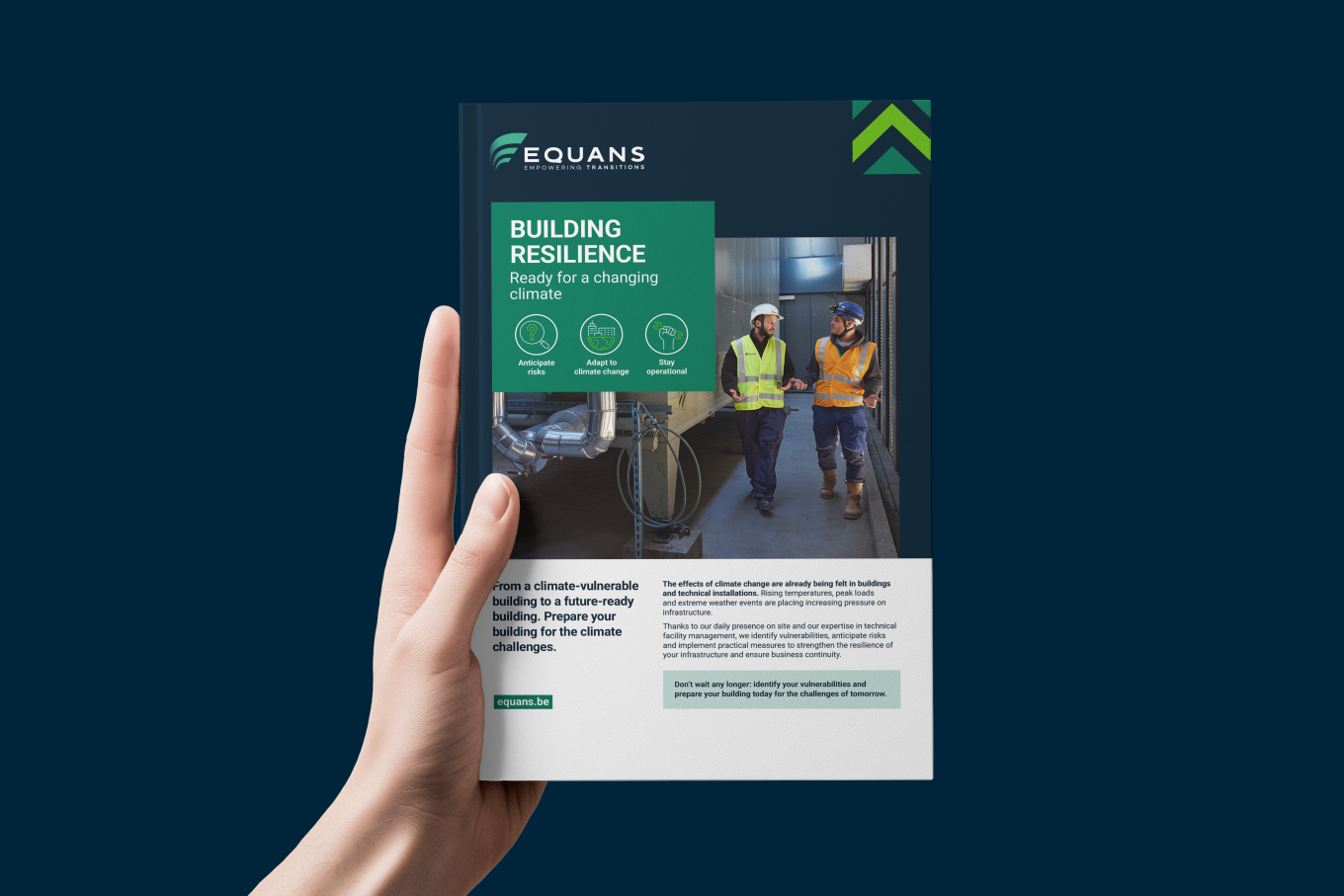
Would you like to learn more about climate adaptation and business continuity?
Frequently asked questions about climate adaptation
Do you have questions about our climate adaptation solutions for buildings? We are here to provide clear and easy-to-understand answers.
Can't find what you're looking for?
Buildings that rely heavily on HVAC systems, cooling installations, critical electrical infrastructure or services that must operate continuously are generally more exposed to climate-related risks. A risk analysis helps identify these vulnerabilities precisely and define clear priorities for action.
By planning in advance the infrastructure and connection points required for temporary cooling, heating or emergency power solutions. These provisions make it possible to deploy the necessary equipment quickly while minimising the impact on operations and services.
Hospitals, healthcare facilities, offices, schools, swimming pools, public buildings and any infrastructure where occupant comfort and service continuity are essential are among the buildings that benefit most from a climate adaptation strategy.
No. An energy renovation primarily aims to reduce energy consumption and CO₂ emissions. Climate adaptation focuses on preparing buildings for the effects of climate change, such as heatwaves, flooding and extreme weather events. These two approaches are complementary and reinforce one another.
Equans supports its clients at every stage of the journey, from risk analysis and infrastructure preparation through to implementation, monitoring and maintenance of the solutions deployed. Our approach combines business continuity, building performance and long-term resilience to climate challenges.
Contact
Ready to face climate challenges?

Clément Catajar
Business Development
& Sales Manager