

BNP Paribas Fortis: one energy system
BNP Paribas Fortis: one energy system

Smart integration of energy, HVAC and building management
For its new headquarters in Brussels, BNP Paribas Fortis wanted to go beyond a conventional energy-efficient new build. Together with Equans, the bank developed an integrated energy system in which energy production, storage, HVAC and building management work together as one. This approach reduces the building’s energy consumption by nearly 85%, while ensuring that comfort, performance and sustainability go hand in hand.

Looking beyond energy-efficient installations
BNP Paribas Fortis set itself an ambitious goal: to create a future-proof headquarters ready for the challenges of the energy transition. The bank was not looking for separate technologies that each make an individual contribution, but for an integrated solution that intelligently connects all energy flows. In a context of rising energy costs, increasing electrification and stricter sustainability requirements, optimising technologies in isolation is no longer enough. The challenge was to align energy production, heating, cooling, storage and control as effectively as possible in order to improve both energy performance and user comfort.
One integrated energy system
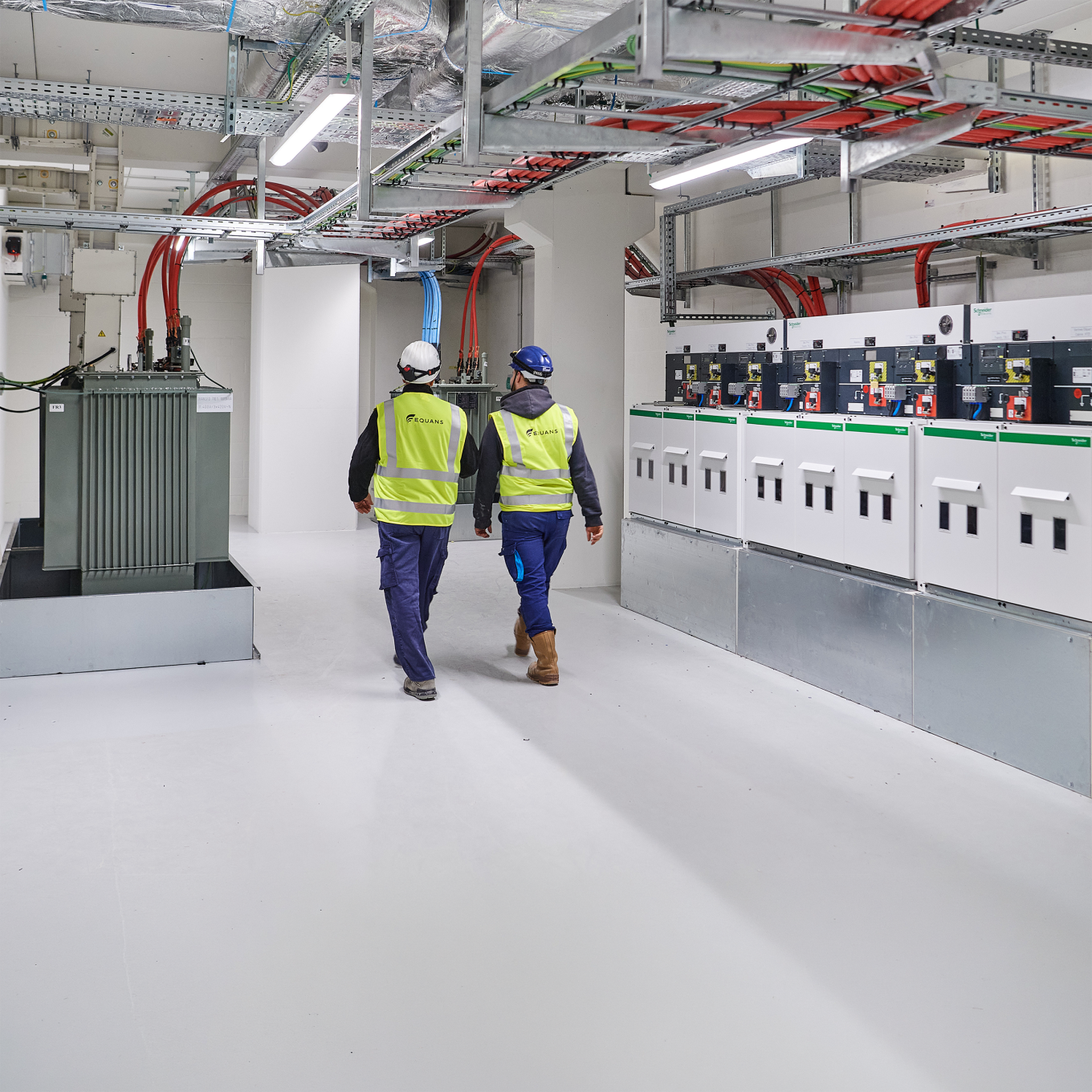
Equans designed and delivered an integrated energy concept in which production, storage, distribution and consumption operate as one intelligent system. At the heart of the solution is a seasonal thermal energy storage system with a 13,000 m³ water basin. This energy buffer stores heat and cold when they are available and releases them when the building needs them. Equans also integrated 498 photovoltaic panels, a complete HVAC installation with heat pumps, the electrical infrastructure, LED lighting, data networks and all building technologies. Through a central Building Management System (BMS), more than 12,000 data points are continuously monitored and analysed. As a result, all installations continuously align their operation with one another. Locally generated energy is used to the fullest, and every available kWh creates maximum value for the building.
Lower consumption, higher performance
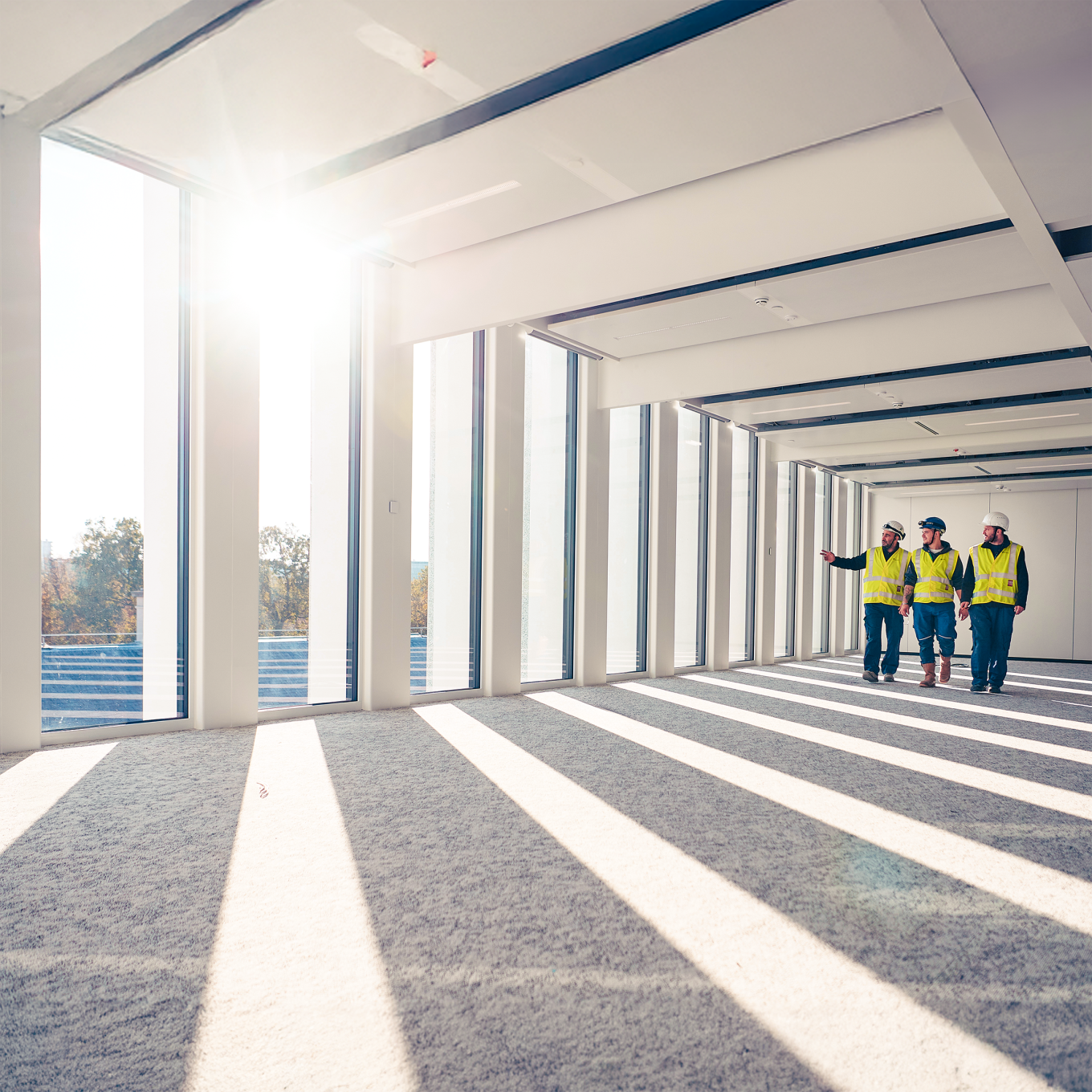
Thanks to this integrated approach, BNP Paribas Fortis achieved nearly 85% lower energy consumption than before. The building’s energy performance is approximately seven times higher than that of the previous headquarters. At the same time, users benefit every day from a high level of comfort. CO₂ emissions are significantly reduced, while operational efficiency increases. BNP Paribas Fortis also has one centrally managed energy system that is ready for further optimisation. The greatest energy gains do not come from a single technology, but from the intelligent interaction between all building technologies. That is precisely the strength of integrated energy systems.
Frequently asked questions about energy systems
Do you have any questions about energy systems and our related services? We’re here to explain everything clearly and in a way that’s easy to understand.
Can’t find the answer you’re looking for?
Separate technologies often deliver less value when they operate independently from one another. An integrated energy system ensures that energy production, storage, HVAC and building management reinforce each other. This improves both energy efficiency and the return on your investments.
No, existing buildings can also evolve step by step towards an integrated energy system. By intelligently connecting existing installations, significant efficiency gains are often possible. A thorough analysis determines which integration opportunities will deliver the highest return.
Thermal storage makes it possible to store heat or cold when it is available or more cost-effective. That energy can then be reused later when demand increases. This reduces dependence on external energy sources and lowers operating costs.
A Building Management System continuously collects and analyses data from all technical installations. Based on these insights, heating, cooling, ventilation and energy consumption are automatically optimised. This keeps the building performing continuously at its highest level of efficiency.
The greatest value is created when solar energy is directly linked to the building’s needs. By integrating it with HVAC systems, storage and smart control, locally generated energy is used to the fullest. This increases both self-consumption and financial return.
Equans combines engineering and installation with monitoring, maintenance and continuous optimisation. Deviations are detected quickly and performance is continuously improved. This approach ensures maximum efficiency throughout the building’s entire lifecycle.
One partner ensures an integrated vision across all technical disciplines. This reduces complexity during design, implementation and operation. It also gives the customer a single point of contact for the performance of the entire energy system.
Contact