

Defence: mission-critical infrastructure for the F-35
26 November 2026Defence: mission-critical infrastructure for the F-35
26 November 2026
Reliable, secure hangars for lasting operational availability
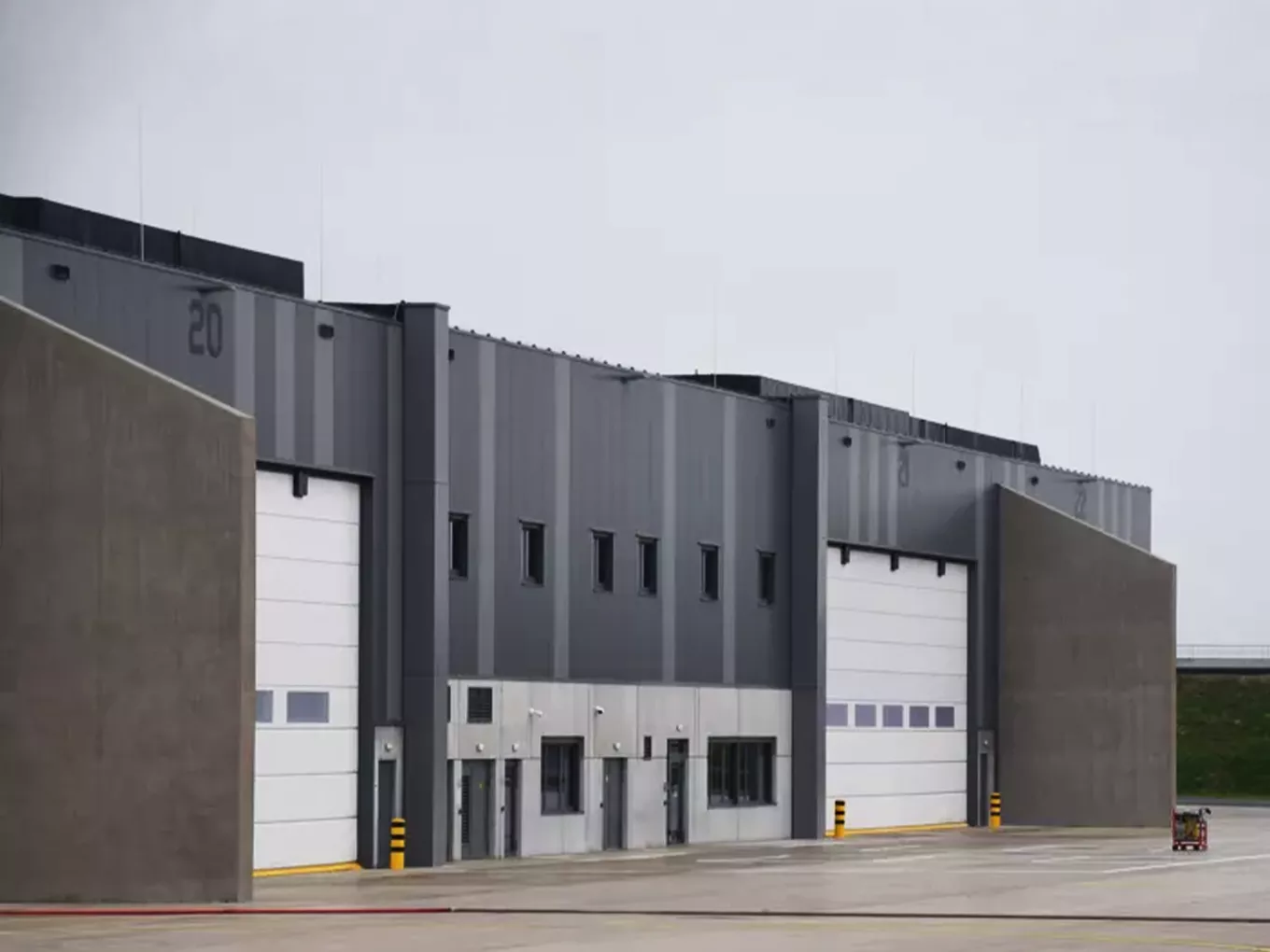
The infrastructure underpinning Belgium’s F-35 capability demands exceptional levels of reliability, security and technical performance. To prepare for the arrival of the new fighter aircraft, Defence is building two identical, high-tech complexes in Florennes and Kleine-Brogel. Equans is integrating all technical systems into one high-performing whole. In doing so, Equans is helping to ensure aircraft availability, the continuity of critical operations and a safe working environment for maintenance, logistics, training and operational support.
Built for operational readiness
As a strategic capability of the Belgian Air Force, the F-35 must remain deployable under all circumstances. The new complexes therefore support the entire operational chain, from maintenance and logistics to training and deployment. Administrative and logistics areas, secure simulator zones and flight-line hangars together form a mission-critical environment where availability, security and continuity are paramount.
One integrated whole for reliable operations
Operational continuity depends on systems that work together reliably. Equans brings electricity, HVAC, automation, access control, data connectivity, security solutions and centralised technical management together in one coordinated approach. By closely aligning disciplines and partners, interfaces and operational risks are managed more effectively, giving Defence robust infrastructure that supports day-to-day operations.
Safe and resilient infrastructure for the long term
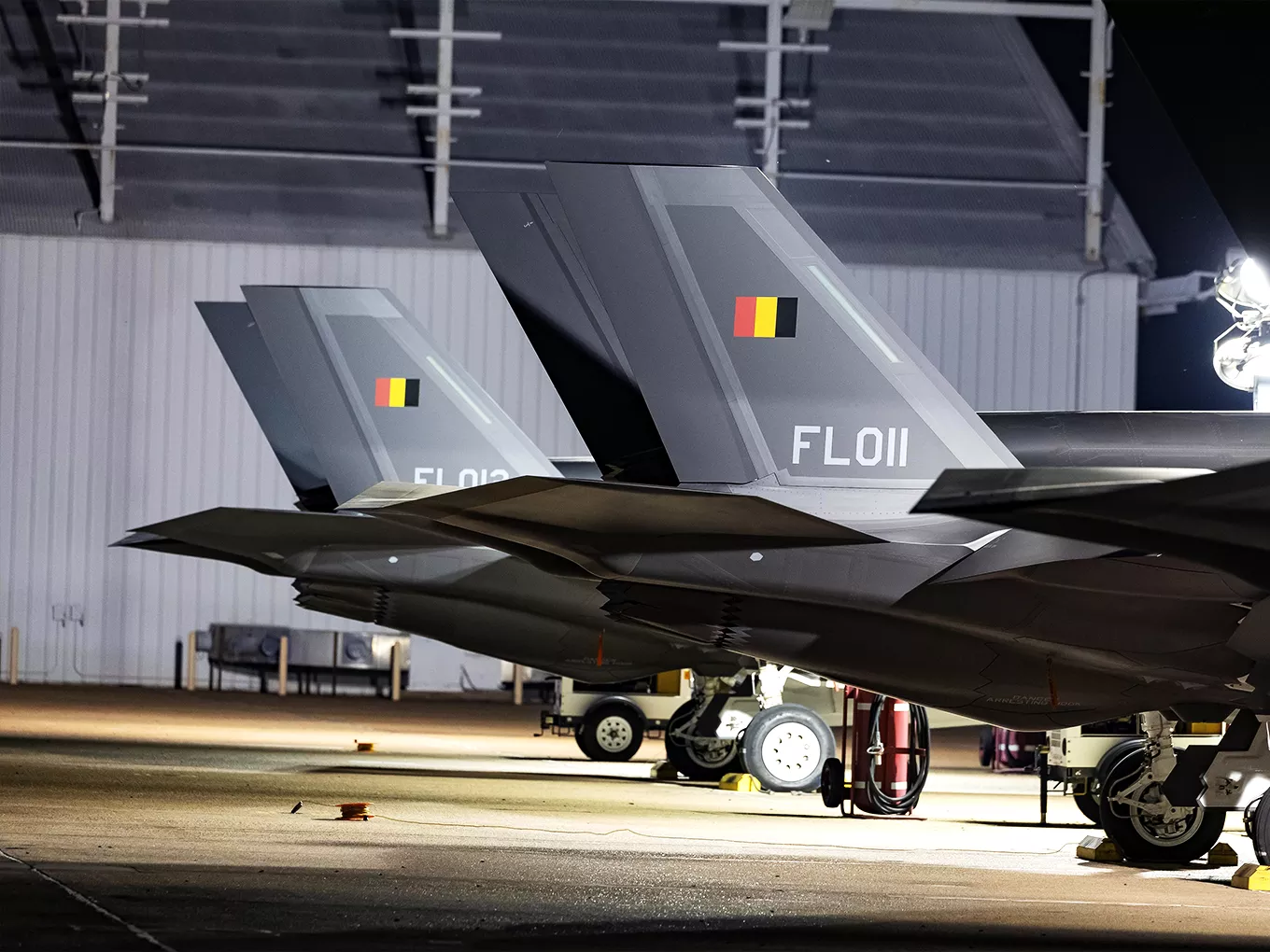
The integrated systems help keep the F-35 hangars safe, available and manageable. Centralised technical management enables continuous monitoring of performance and consumption, allowing targeted adjustments where needed. Heat pumps, LED lighting and geothermal energy at Kleine-Brogel also reduce energy consumption. In this way, Defence combines operational resilience with more efficient management of its critical infrastructure.
Frequently asked questions about Defence
Do you have any questions about our solutions for Defence? We’re here to explain everything clearly and in a way that’s easy to understand.
Can’t find the answer you’re looking for?
When electricity, HVAC, data, automation and security operate as one integrated whole, critical processes can be supported more reliably. This integrated approach reduces technical interfaces, simplifies management and strengthens operational continuity.
All work complies with the project’s specific technical and military security requirements. Only authorised personnel may access secure areas, and materials are systematically inspected on arrival. This safeguards the integrity of the site throughout project delivery.
Equans combines low-, medium- and high-voltage systems, HVAC, UPS systems, data infrastructure, access control and automation, among other disciplines. By coordinating them within a single approach, dependencies are managed more effectively and the hangars remain reliably supported.
Heat pumps, energy-efficient LED lighting and centralised technical management help measure and optimise energy consumption. Geothermal energy is also used at Kleine-Brogel. This combines reliable operation with more efficient energy management.
The system brings the control of different technical systems together. Performance and consumption can be monitored continuously, enabling targeted adjustments. This supports manageable, efficient and reliable infrastructure operations.
This integrated approach is relevant to environments where security, continuity and availability are essential. Equans tailors the systems to the operational context and specific requirements, creating a robust solution for every type of critical infrastructure.
The F-35 hangars are being delivered under a design, build & maintain model. This means that future operation and maintenance are taken into account from the design stage onwards. It improves the manageability and reliability of the infrastructure and supports long-term operational continuity.
Contact
Looking to strengthen your critical infrastructure?