

From charging points to an integrated solution
From charging points to an integrated solution

E‑Mobility: from “more charging points” to full control over energy, costs and operations
The electrification of company vehicles is no longer an experiment, but a strategic necessity to remain competitive in a rapidly evolving mobility landscape. At the same time, this acceleration introduces new friction points: grid capacity is under pressure, energy costs are volatile, and daily business operations cannot afford disruption. For decision-makers in industry and logistics, the real question is therefore no longer “How many additional charging points do we need?” but rather “How do we stay in control of our energy (costs), our fleet and our sites while scaling electrification?” That is precisely where Equans makes the difference. With smart, scalable and future-proof E‑Mobility solutions that go far beyond installing hardware, we support our customers from strategy to roll-out, management and optimisation, ensuring full control at every site.

Workplace charging, increasingly a bottleneck
In many organisations, the ‘easy wins’ of home charging have already been realised. As a result, workplace charging is becoming the dominant scenario, especially for companies with larger fleets or high vehicle turnover. The business site gradually evolves into an e‑depot, where dozens—or even hundreds—of vehicles require energy within a limited timeframe. This typical pattern leads to three recurring challenges:
In such a context, simply adding more charging points often results in higher investment costs, increased pressure on the grid connection and limited improvement in availability.

The real challenge: not just charging, but managing energy
Smart E‑Mobility starts with insight into a site’s total energy consumption. The key is control: aligning charging with what the site can technically handle and what makes economic sense. By integrating charging infrastructure with an Energy Management System (EMS) and digital charging platforms, organisations can:
- spread charging sessions to avoid peaks
- slow down charging during peak hours and accelerate it when surplus energy is available (e.g. solar production at midday)
- prioritise vehicles based on departure times and operational criticality
- maximise available grid capacity without exceeding limits
For industrial and logistics players, “it works” is not a nice-to-have—it is a key performance indicator. Downtime costs money. This is why Equans differentiates itself with an end-to-end model, in which charging infrastructure is not only installed but also operated and maintained by a dedicated Charge Point Operator (CPO), supported by central monitoring and digital tools.
In practice, this means:
- maximum reliability and continuous availability, essential for growing fleets in both B2B and B2B2C environments
- integrated fleet and charging management, with central oversight and scalable operations
- A‑to‑Z services, including automated planning, proactive maintenance, compliance reporting, parking management and geofencing functionalities
The result is not just charging points, but a robust operational system that continues to perform as fleets grow, regulations tighten and complexity increases.


Smart design: technology only works if the car park does
Even the most advanced control systems fail if the physical layout is not fit for purpose. That is why, in E‑Mobility projects, Equans also focuses on site design and user behaviour:
- central charging hubs instead of wall-mounted chargers, allowing multiple parking spaces to share the same infrastructure
- reservation and notification tools to increase vehicle rotation and reduce frustration
- dynamic waiting queues and scheduling logic that spread charging demand across the working day
This practical engineering approach ensures that investments deliver maximum return: higher availability without disproportionate increases in hardware.
Logistics and heavy transport: high power, high requirements, high ROI pressure
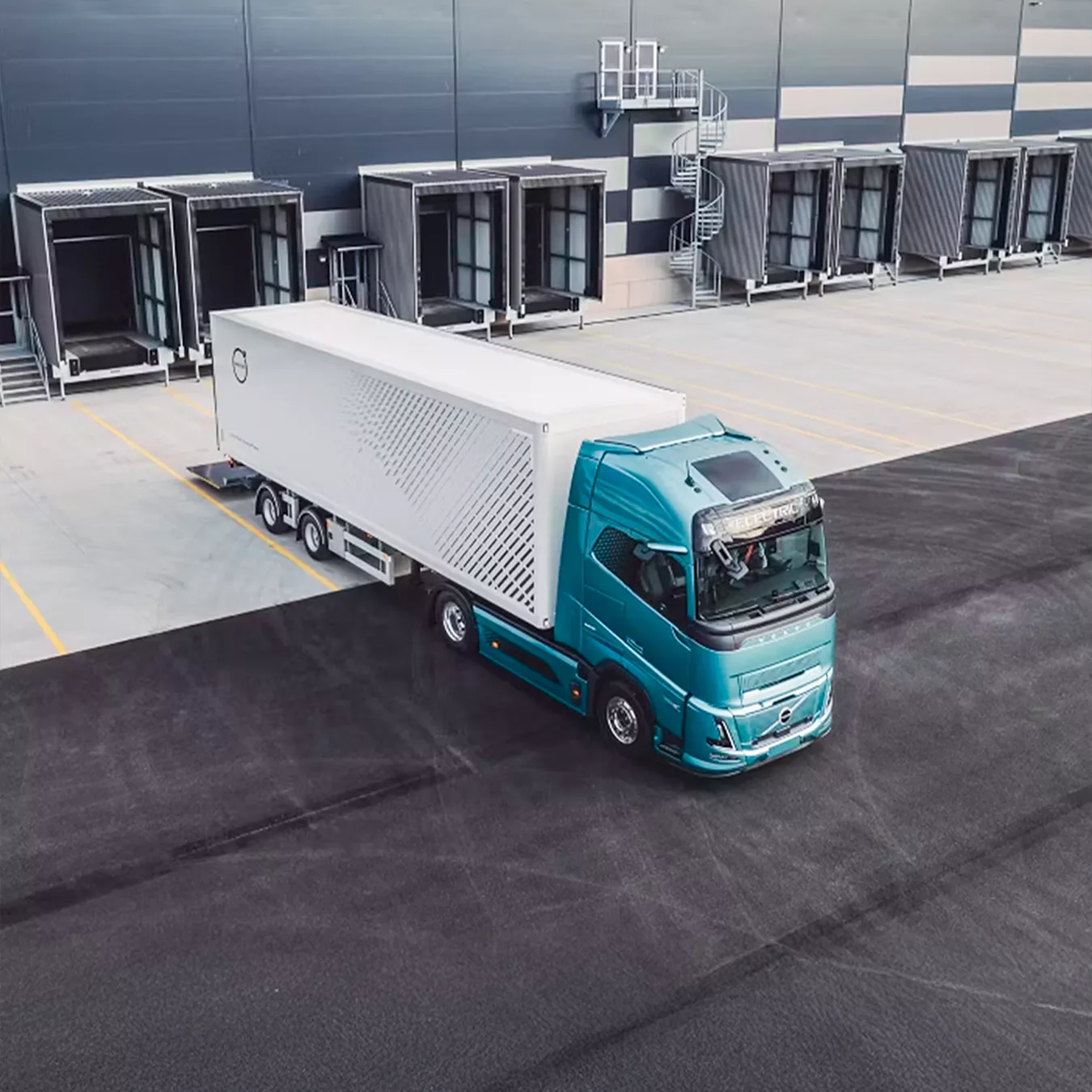
While passenger vehicles often allow for flexibility, logistics is unforgiving: vehicles must charge when operations require it. Equans therefore offers dedicated solutions for the electrification of heavy transport, combining high-power charging, smart energy integration and ROI-driven tools, developed in collaboration with leading industrial players. This is particularly relevant for organisations operating electric trucks, depot-based operations with tight time windows, and mission-critical route planning and service levels.

Many industrial and logistics companies also operate across multiple sites—factories, offices, warehouses, distribution centres. In that case, decision-makers need more than stand-alone solutions; they need a uniform, centrally managed programme.
Equans supports multi-site organisations with tailored infrastructure and intelligent energy management, enabling them to achieve sustainability targets while optimising charging costs across locations. The benefits are clear:
- centralised reporting and monitoring
- a consistent user experience
- scalable roll-out and operations
- faster optimisation based on data
Discover our decarbonisation approach
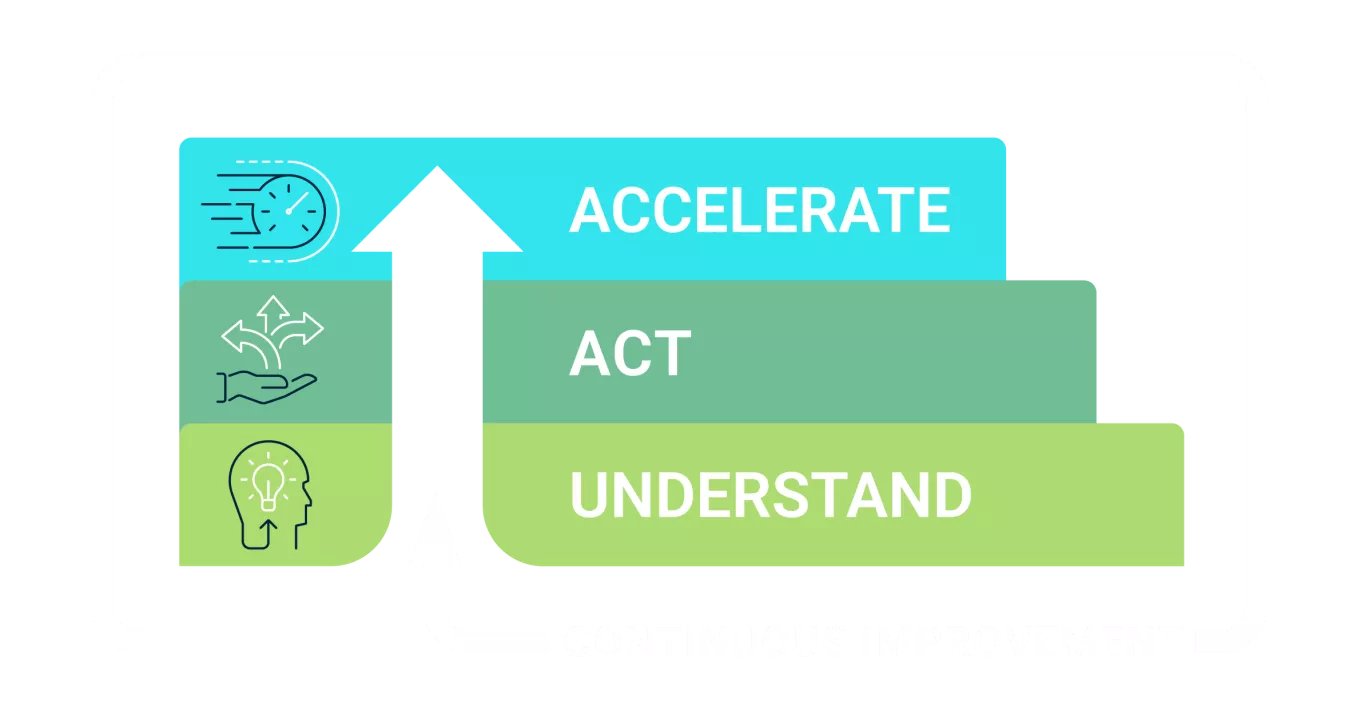
E‑Mobility only delivers its full value when strategy, infrastructure and daily operations are aligned. To achieve the right insights and results, Equans follows a clear, structured approach:
-
UNDERSTAND = measure, analyse, assess and plan
-
ACT = manage and implement impactful solutions
-
ACCELERATE = ensure long-term profitability and operational efficiency
What does this mean for you as a decision-maker?
If E‑Mobility is treated as nothing more than “a few extra charging points”, organisations inevitably run into trouble. Grid capacity becomes a bottleneck, peak costs rise, operational frustration grows, control over multi‑site expansion weakens, and security and compliance risks start to pile up.
By contrast, organisations that approach E‑Mobility as an integrated energy and operational system unlock real, structural advantages. They reduce the total energy cost per charged kWh, increase the availability and reliability of their infrastructure, scale smoothly across more vehicles and more sites, and gain a measurable CO₂ impact supported by clearer, more accurate reporting.
Contact