
Energy transition faces infrastructure constraints
14 October 2026Energy transition faces infrastructure constraints
14 October 2026
Belgian companies are investing heavily in the energy transition, but increasingly face the limits of energy infrastructure
In recent years, Belgian companies have invested heavily in solar panels, heat pumps, charging infrastructure and the electrification of industrial processes. According to Equans Belux, however, this is no longer enough. With Belgian electricity consumption expected to rise by almost 60% by 2036, it is becoming increasingly clear that companies can only maximise the return on these investments if their internal energy infrastructure evolves accordingly. The challenge is therefore shifting from installing individual sustainable technologies to intelligently managing, storing, distributing and recovering energy.
The energy transition is accelerating across Belgium. According to Elia’s latest forecasts, national electricity consumption will rise from 80.2 TWh today to more than 128.3 TWh by 2036. Industry alone is expected to require an additional 19.9 TWh of electricity by then as processes and installations are further electrified. At the same time, the limits of our energy infrastructure are becoming increasingly apparent. Elia and Fluvius have already warned that rising electrification in the province of Antwerp, the Ghent canal zone and the Bruges area is causing grid congestion for the first time.
After years of investing in sustainable solutions, companies now face a new challenge: ensuring that these solutions work together optimally. Otherwise, businesses in Belgium may soon find themselves unable to secure a grid connection, as is already the case in the Netherlands today.
“Many companies have successfully completed the first phase of the energy transition,” says Mark Dirckx, CEO of Equans Belux. “They have invested in renewable energy, electrification and energy efficiency. Today, however, we see that these different installations often still operate in isolation. As a result, companies do not always maximise the return on their investments. The next step is to intelligently connect all energy flows within a building or across an industrial site.”
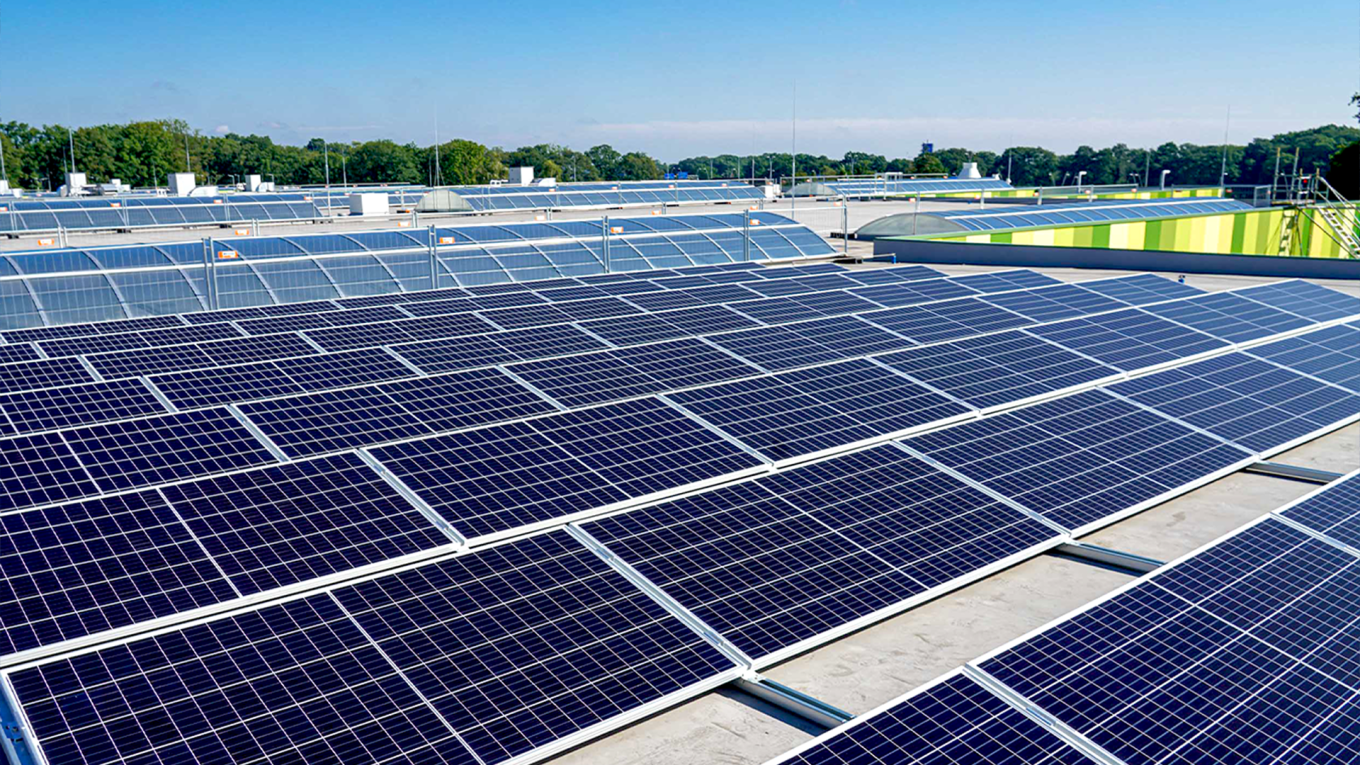
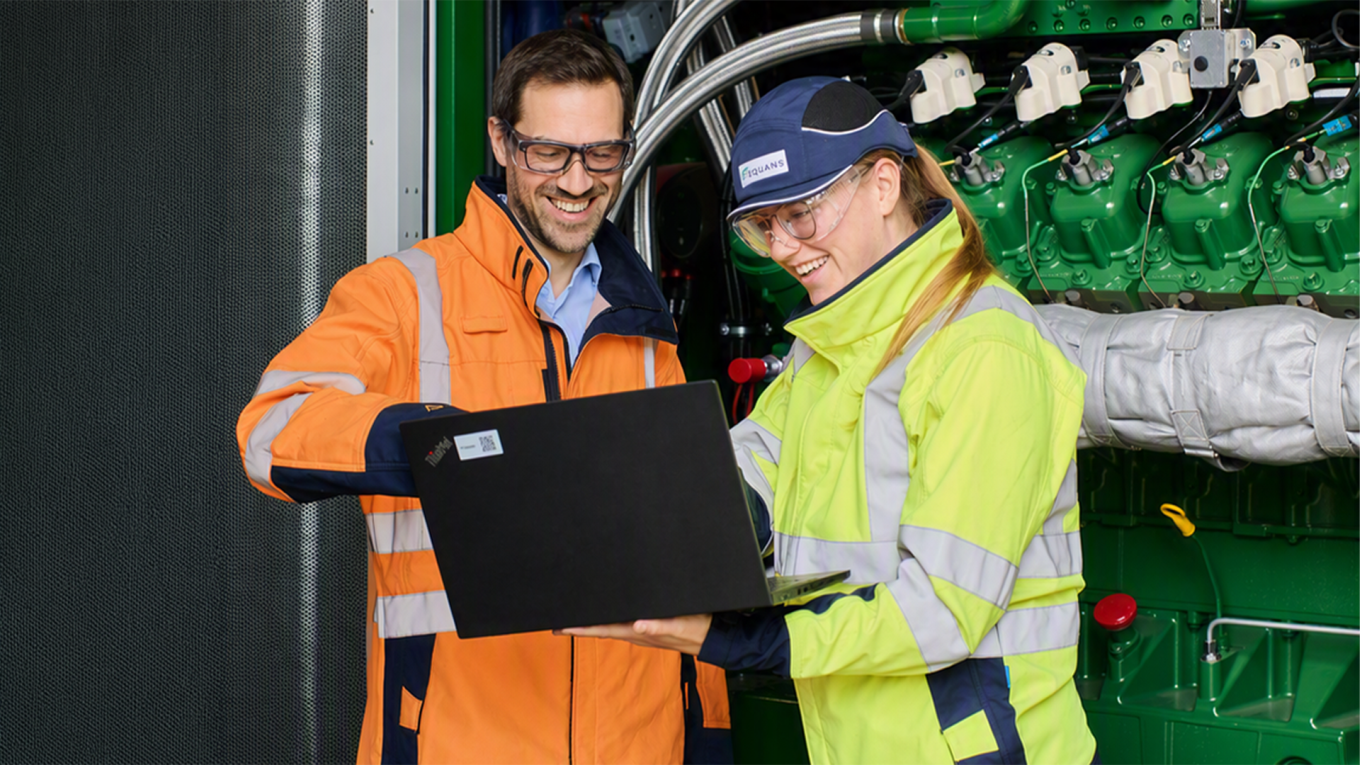
According to Equans Belux, the challenge is therefore shifting from individual technologies to integrated energy management. For companies, this means reducing energy consumption, maximising the use of locally generated energy, shaving peak demand, storing energy where it makes sense and recovering waste heat wherever possible. Meanwhile, Elia and Fluvius continue to steadily reinforce the electricity grid, but this will not provide a short-term solution.
“Energy is a critical factor for companies,” Mark Dirckx continues. “Companies that successfully integrate their energy consumption, generation, storage and recovery not only deliver environmental benefits but also gain a significant competitive advantage.”
According to Equans, the next phase of the energy transition will largely be shaped by how companies organise their energy systems. Smart energy management can optimise consumption. Energy storage can provide flexibility and limit peak demand. Adapted energy infrastructure can enable further electrification. And integrating heating and cooling can recover and reuse energy that would otherwise be lost.
“Today, the energy transition goes beyond generating sustainable energy. The real challenge is to use that energy as intelligently as possible. Companies that succeed will achieve a greater return on their investments, reduce their energy costs and take a major step towards future-proof operations,” concludes Mark Dirckx.
About Equans BeLux
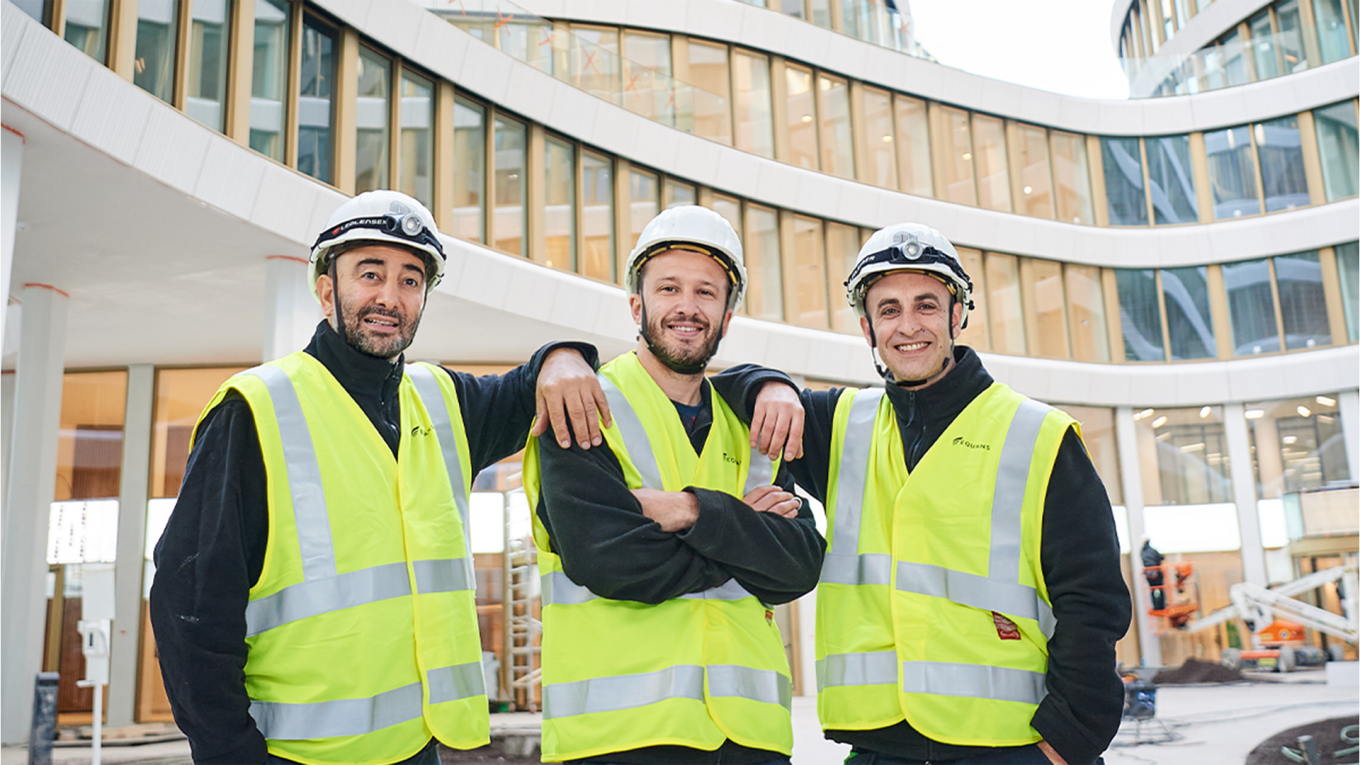
In Belgium and Luxembourg, Equans customers can rely on more than 80 years of expertise and experience across a broad spectrum of technical services. With 9,200 employees across more than 60 locations, we have a strong local presence and are always close to our customers. In 2025, Equans Belux generated revenue of €2 billion.
About Equans
As a subsidiary of the Bouygues group, Equans is a global leader in the energy and services sector, operating in 20 countries, with 83,000 employees across five continents and revenue of €18.7 billion in 2025. Equans designs, installs and delivers tailor-made solutions to improve its customers’ technical equipment, systems and processes and optimise their use as part of their energy, industrial and digital transitions. Thanks to a strong local presence, built on its historic brands and high-level technical expertise, Equans’ highly qualified experts support regions, cities, industrial sites and buildings in the fields of HVAC (heating, ventilation and air conditioning), cooling and fire protection, facility management, digitalisation and ICT, electricity, mechanics and robotics. Equans is a market leader in the main European countries (France, Switzerland, Belgium, the Netherlands and the United Kingdom) and also has a strong presence in the United States and Latin America.
Contact
Looking for a partner to guide your transition?